
LINGA is a psycholinguistics technology company that provides authorship identity verification as a service via our proprietary Linguistic Fingerprint™ technology. Through the LINGA web application, guests complete writing prompts in order to build their Linguistic Fingerprint™. Once built, guests can discover their true selves as expressed in the form-factor of writing. Guests can also scan written documents in order to generate a unique Authorship Verification Certificate, which is certified by LINGA and available as a downloadable PDF file. This certificate indicates whether or not the scanned document matches our guest's Linguistic Fingerprint™, and is backed by our $1,000,000 Authorship Integrity Defense Guarantee (SM · Terms apply). Individual guests can use LINGA to verify and defend authorship integrity for important written works like books, articles, papers, speeches, and more.

In season 3, episode 16 ("The One with the Morning After") of the hit TV show Friends (1997), Ross Geller is confronted for cheating by his romantic partner, Rachel. Ross insists on talking about it. Rachel asks him many penetrating questions about the encounter, and Ross is both open and honest. Rachel attacks him physically after many of his answers. Ross' habit of thoroughly and readily answering Rachel's "trap" questions demonstrate the Volubility attribute.
On September 9, 2009, rapper and fashion icon interrupted Taylor Swift at the MTV Video Music Awards while she was giving her award acceptance speech for Best Female Video. Kanye grabbed the microphone and pronounced that Beyonce, another female music artist, had a better video. As Taylor Swift was giving a touching speech, Kanye hijacked the moment and began with "Yo Taylor ... Imma let you finish, but ..." Kanye West became an instant meme and Taylor Swift fans were not happy. Beyonce herself reacted with a shocked facial expression, as did many others. While the incident appears to showcase Kanye's utter inability to read the room, the context of the situation is important. Many award shows strive to entertain viewers through cheeky stunts, as these are part of American pop media culture. Kanye West, being an entertainer, recognized an opportunity to do the same, although it did not sit well with many viewers and critics in hindsight. Kanye West's ability to modify his behavior in the spirit of contributing to the award show, and subsequent inability to stop when he went too far, demonstrates a below-average example of the Apperception attribute.
In the hit movie The Fast and the Furious: Tokyo Drift (2006), outlaw teenager Sean Boswell finds himself in Japan after getting kicked out of America by the law and his own mother. After befriending a car enthusiast at school, he's in an underground car enthusiast meetup focused on a style of racing called drifting. As he's walking around, Sean spots a girl from his class and begins flirting with her while discussing technical aspects of car engines. Soon, though, the girl's boyfriend notices and walks over to join the conversation. Sean doesn't realize that the man is part of the crime family known as the Yakuza, and continues taunting him. Despite warnings from two people, Sean decides to race DK ("Drift King") after being allowed to borrow another character's car. Sean bombs the race, wrecks the car, and eats his words because of his inexperience with the drift style of racing. Sean's inability to self-monitor his aggression and impulses in a dangerous, novel setting demonstrates a total lack of the Apperception attribute.
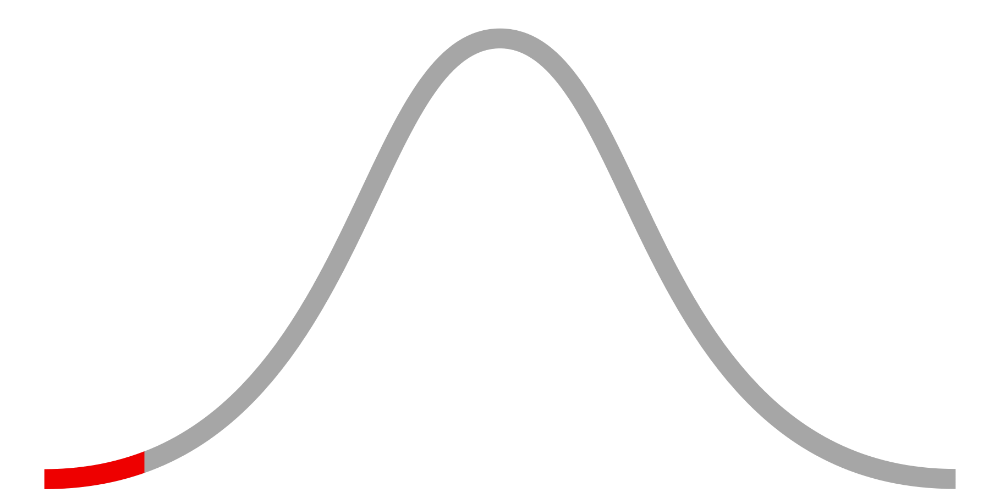
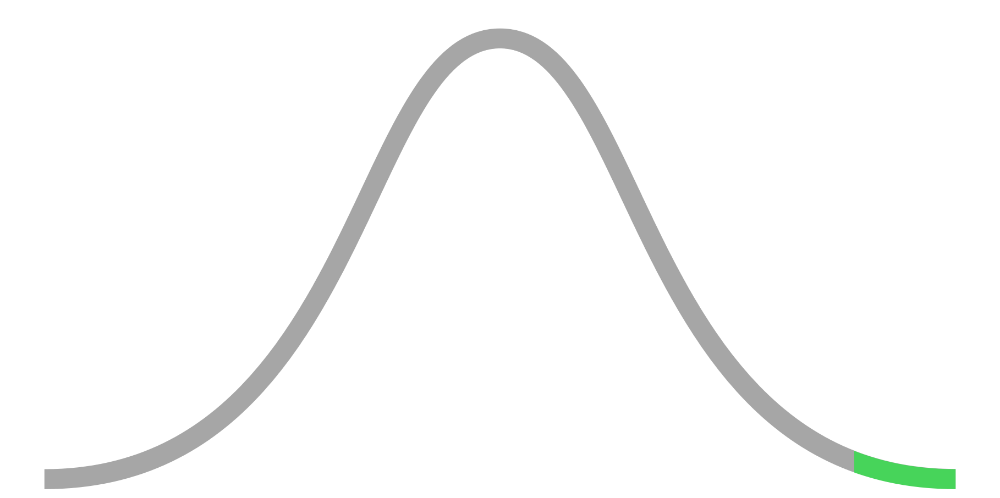
An ultra low attribute score is exceptionally rare because it represents 5% of the entire population. In a room with 100 other people, a person with an ultra low attribute score would be lower than 95 of them and higher than none of them.
Note: Feels uses a 9-point scoring scale that ranges from Ultra Low to Ultra High according to a normal distribution. See our methodology.
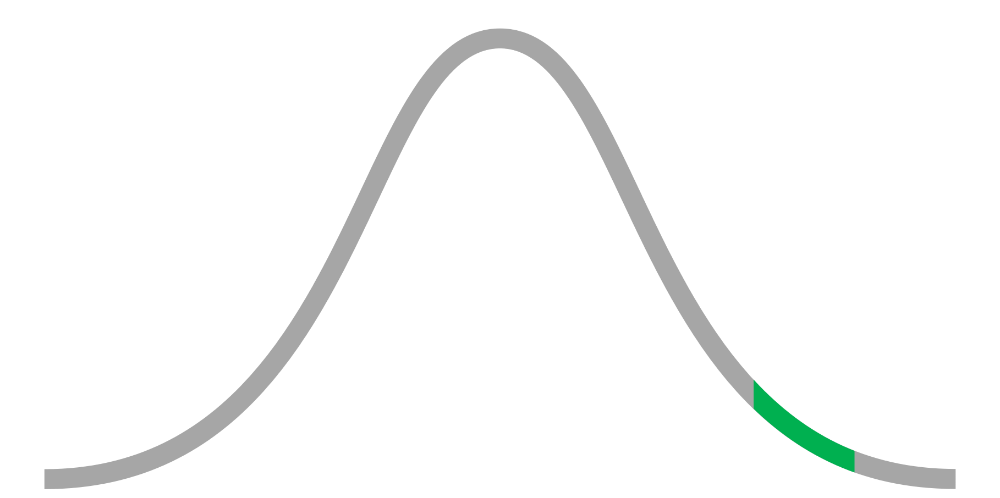
Very Low
5–10% percentile
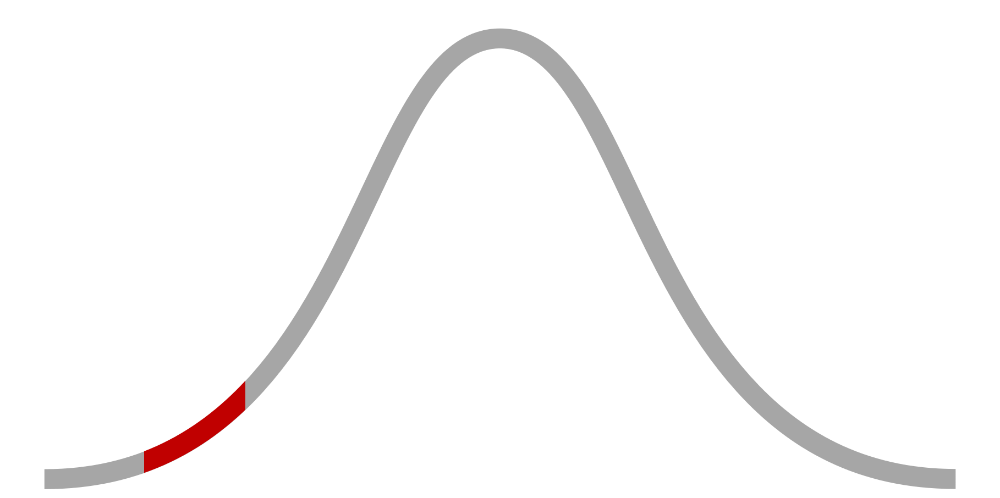
A very low attribute score is rare because it represents 5% of the entire population. In a room with 100 other people, a person with a very low attribute score would be higher than five of them and lower than 90 of them.
Note: Feels uses a 9-point scoring scale that ranges from Ultra Low to Ultra High according to a normal distribution. See our methodology.
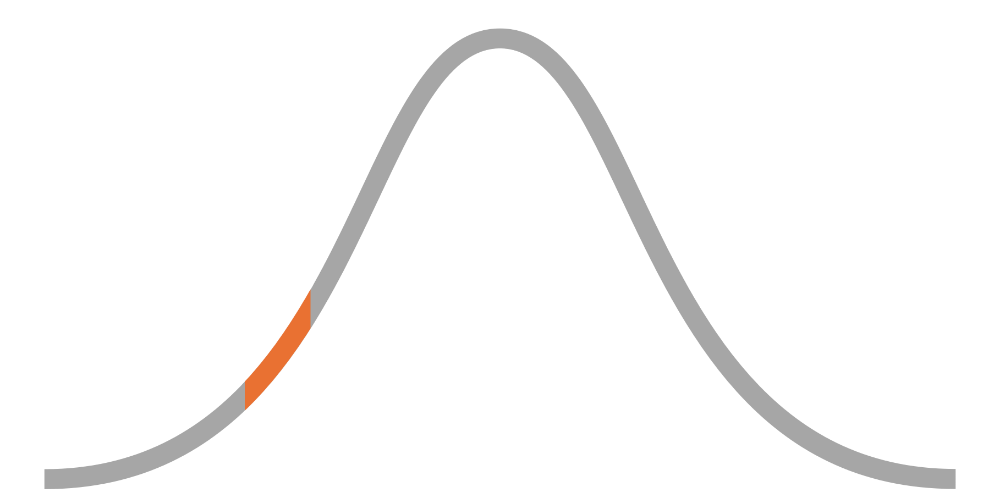
Low
10–20% percentile
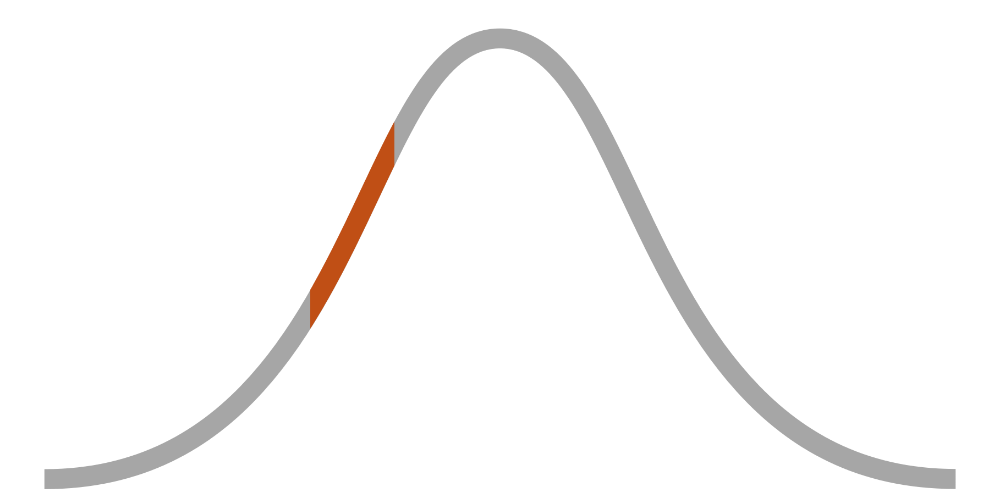
A low attribute score is somewhat uncommon and represents 10% of the entire population. In a room with 100 other people, a person with a low attribute score would be higher than ten of them and lower than 80 of them.
Note: Feels uses a 9-point scoring scale that ranges from Ultra Low to Ultra High according to a normal distribution. See our methodology.
Slightly Low
20–40% percentile
A slightly low attribute score is common and represents 20% of the entire population. In a room with 100 other people, a person with a slightly low attribute score would be higher than 20 of them and lower than 60 of them.
Note: Feels uses a 9-point scoring scale that ranges from Ultra Low to Ultra High according to a normal distribution. See our methodology.
Average
40–60% percentile
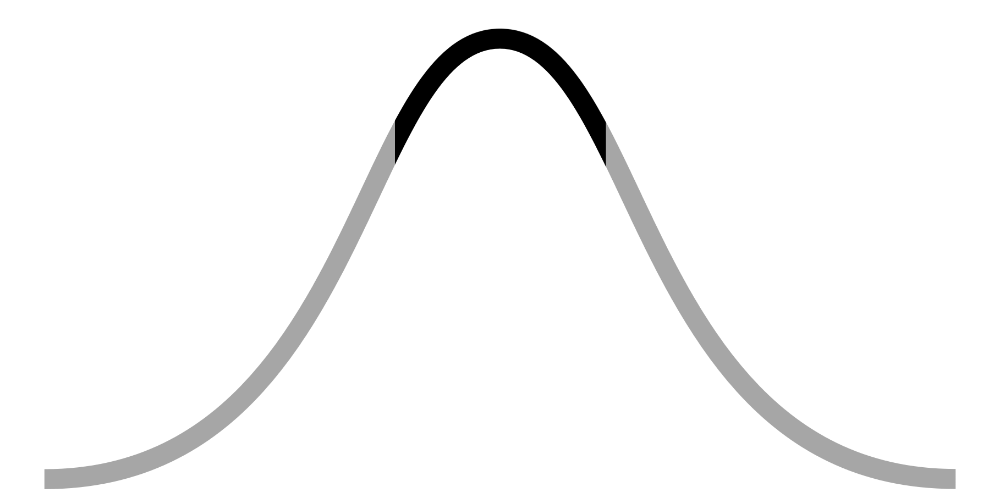
An average attribute score is typical and represents 20% of the entire population. In a room with 100 other people, a person with an average attribute score would be higher than 40 of them and lower than 40 of them.
Note: Feels uses a 9-point scoring scale that ranges from Ultra Low to Ultra High according to a normal distribution. See our methodology.
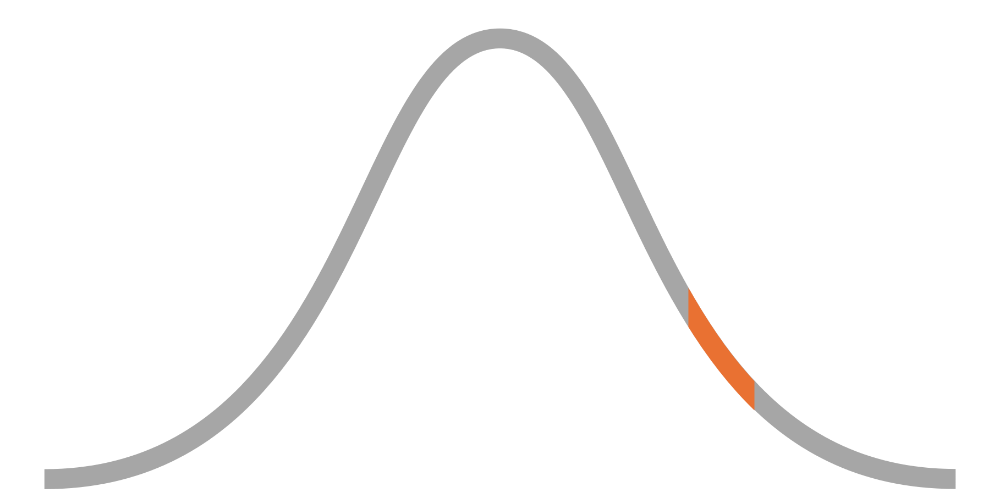
Slightly High
60–80% percentile
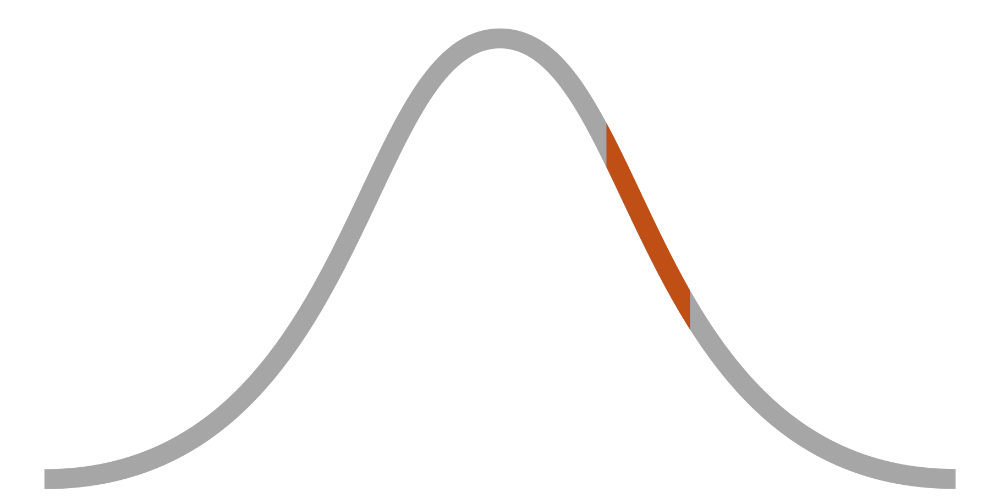
A slightly high attribute score is common and represents 20% of the entire population. In a room with 100 other people, a person with a slightly high attribute score would be higher than 60 of them and lower than 20 of them.
Note: Feels uses a 9-point scoring scale that ranges from Ultra Low to Ultra High according to a normal distribution. See our methodology.
High
80–90% percentile
A high attribute score is somewhat uncommon and represents 10% of the entire population. In a room with 100 other people, a person with a high attribute score would be higher than 80 of them and lower than 10 of them.
Note: Feels uses a 9-point scoring scale that ranges from Ultra Low to Ultra High according to a normal distribution. See our methodology.
Very High
90–95% percentile
A very high attribute score is rare because it represents 5% of the entire population. In a room with 100 other people, a person with a very high attribute score would be higher than 90 of them and lower than five of them.
Note: Feels uses a 9-point scoring scale that ranges from Ultra Low to Ultra High according to a normal distribution. See our methodology.
Ultra High
95–100% percentile
An ultra high attribute score is exceptionally rare because it represents 5% of the entire population. In a room with 100 other people, a person with an ultra high attribute score would be higher than 95 of them and lower than none of them.
Note: Feels uses a 9-point scoring scale that ranges from Ultra Low to Ultra High according to a normal distribution. See our methodology.