

Info
Legal
© 2025 Feels Co.

Hand pointing up icon Summary & key points

In Season 7, Episode 6 ("Beyond the Wall") of the hit HBO show Game of Thrones (2017), a battle rages between Jon Snow's group and the White Walkers, led by the Night King. As the dragon Viserion is flying around, the Night King is handed a spear by one of his own soldiers. The Night King then aims at the dragon and strikes it, taking the beast down. Later, the Night King walks up to the line separating the two camps and makes eye contact with Snow as he raises his arms. The Night King never speaks or makes any sounds, thus giving no verbal information to anyone, and this demonstrates an extreme-low example of the Volubility attribute.
Feels in
Select media © HBO Entertainment. Learn more

0 Feelings

Loading comment... The comment will be refreshed after 00:00.

Feedback

How does this page make you feel?

Can you tell us why you feel that way?

Skip for now

Thanks for your feedback.

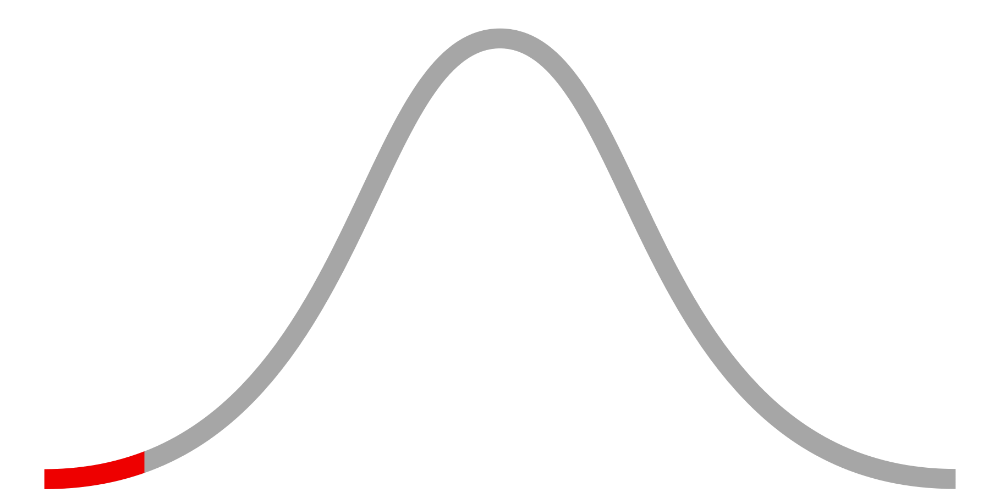
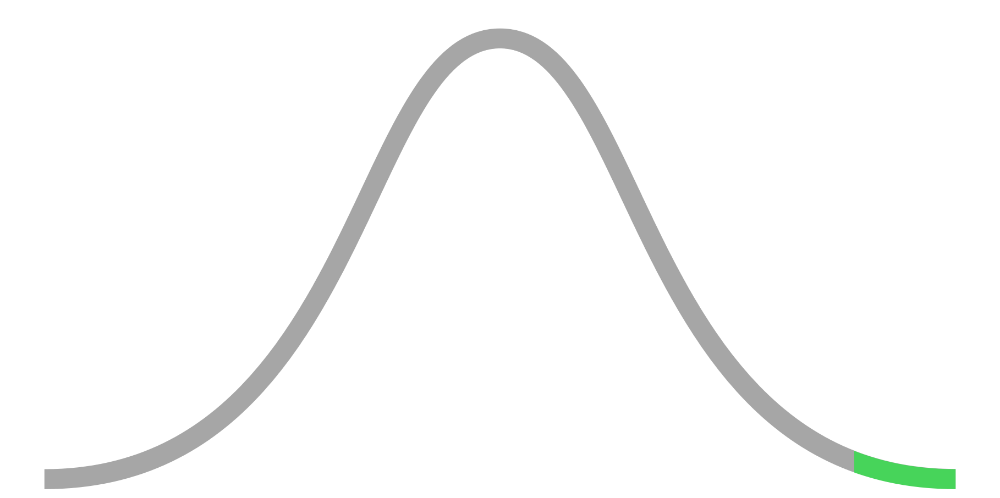
Ultra Low

0–5% percentile
An ultra low attribute score is exceptionally rare because it represents 5% of the entire population. In a room with 100 other people, a person with an ultra low attribute score would be lower than 95 of them and higher than none of them.
Note: Feels uses a 9-point scoring scale that ranges from Ultra Low to Ultra High according to a normal distribution. See our methodology.

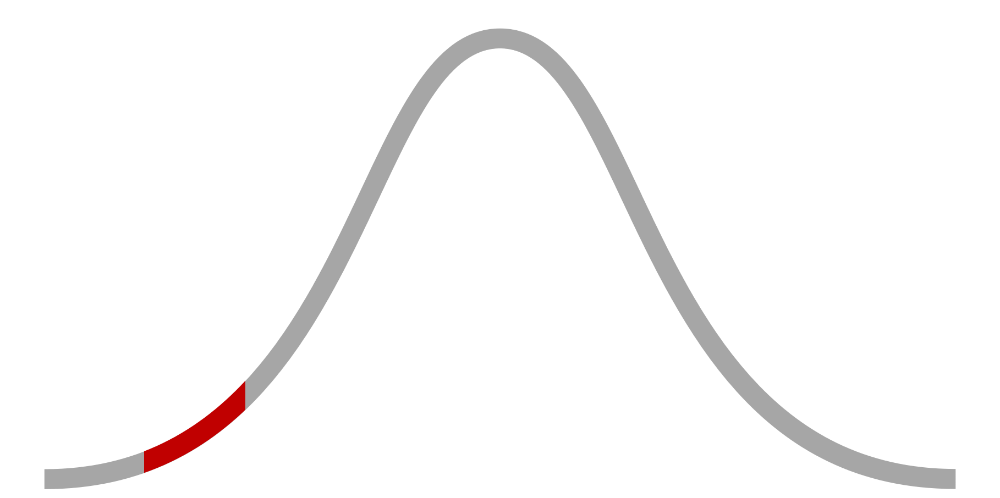
Very Low

5–10% percentile
A very low attribute score is rare because it represents 5% of the entire population. In a room with 100 other people, a person with a very low attribute score would be higher than five of them and lower than 90 of them.
Note: Feels uses a 9-point scoring scale that ranges from Ultra Low to Ultra High according to a normal distribution. See our methodology.

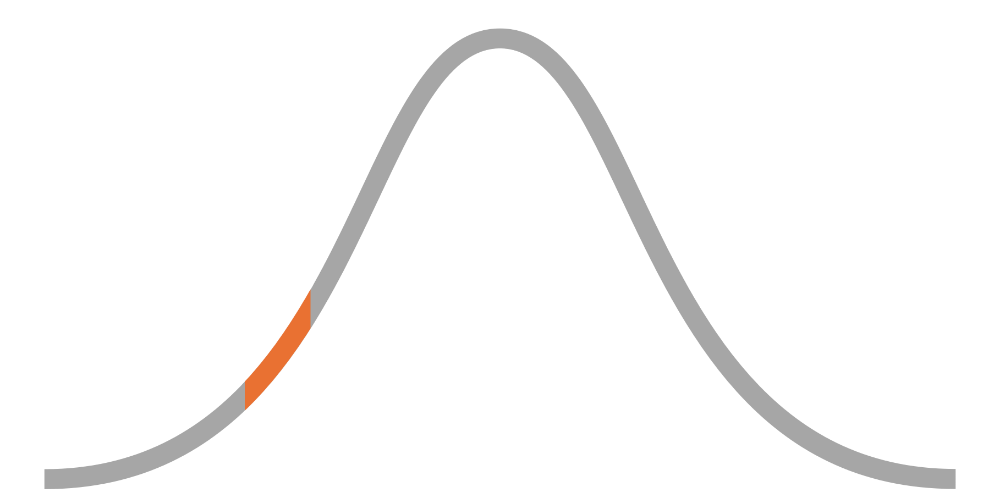
Low

10–20% percentile
A low attribute score is somewhat uncommon and represents 10% of the entire population. In a room with 100 other people, a person with a low attribute score would be higher than ten of them and lower than 80 of them.
Note: Feels uses a 9-point scoring scale that ranges from Ultra Low to Ultra High according to a normal distribution. See our methodology.

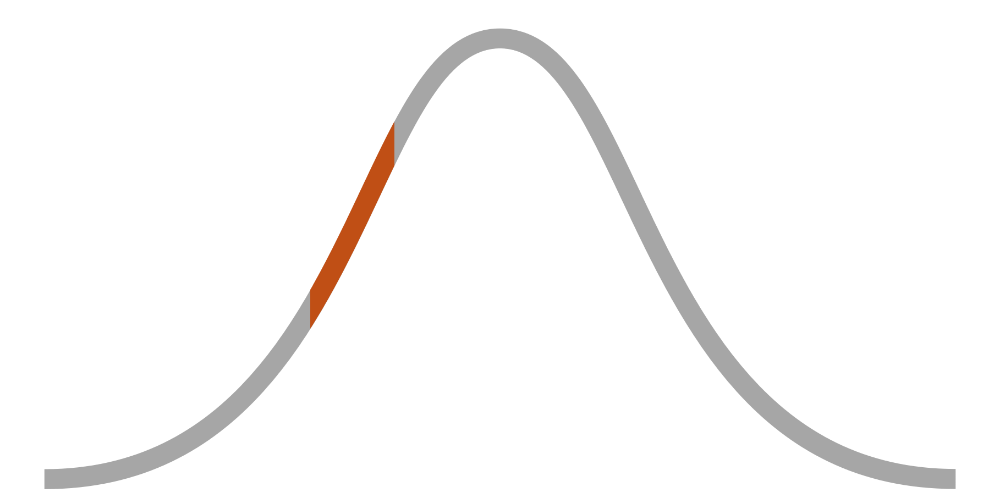
Slightly Low

20–40% percentile
A slightly low attribute score is common and represents 20% of the entire population. In a room with 100 other people, a person with a slightly low attribute score would be higher than 20 of them and lower than 60 of them.
Note: Feels uses a 9-point scoring scale that ranges from Ultra Low to Ultra High according to a normal distribution. See our methodology.

Average

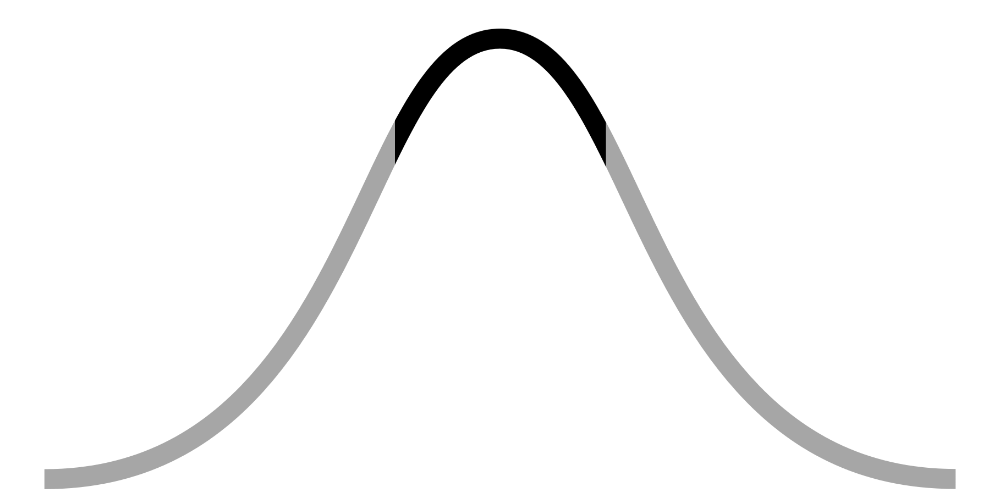
40–60% percentile
An average attribute score is typical and represents 20% of the entire population. In a room with 100 other people, a person with an average attribute score would be higher than 40 of them and lower than 40 of them.
Note: Feels uses a 9-point scoring scale that ranges from Ultra Low to Ultra High according to a normal distribution. See our methodology.

Slightly High

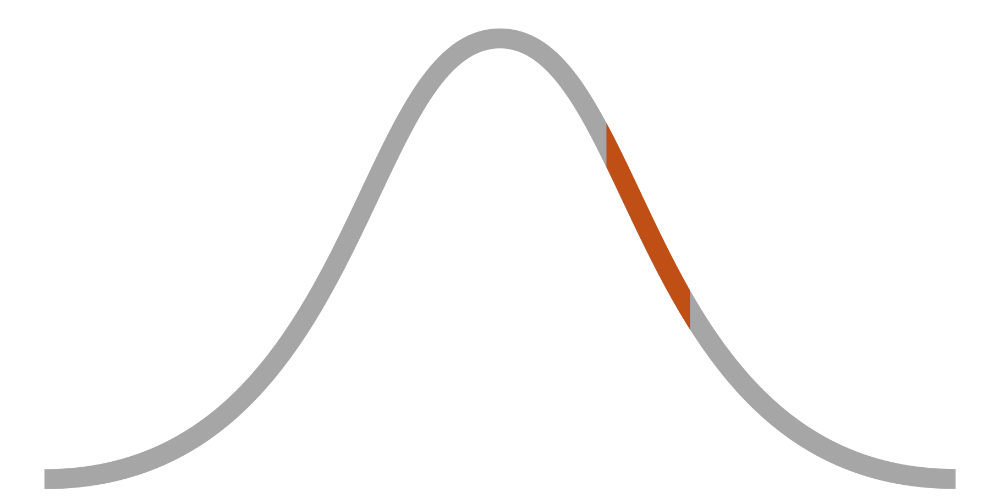
60–80% percentile
A slightly high attribute score is common and represents 20% of the entire population. In a room with 100 other people, a person with a slightly high attribute score would be higher than 60 of them and lower than 20 of them.
Note: Feels uses a 9-point scoring scale that ranges from Ultra Low to Ultra High according to a normal distribution. See our methodology.

High

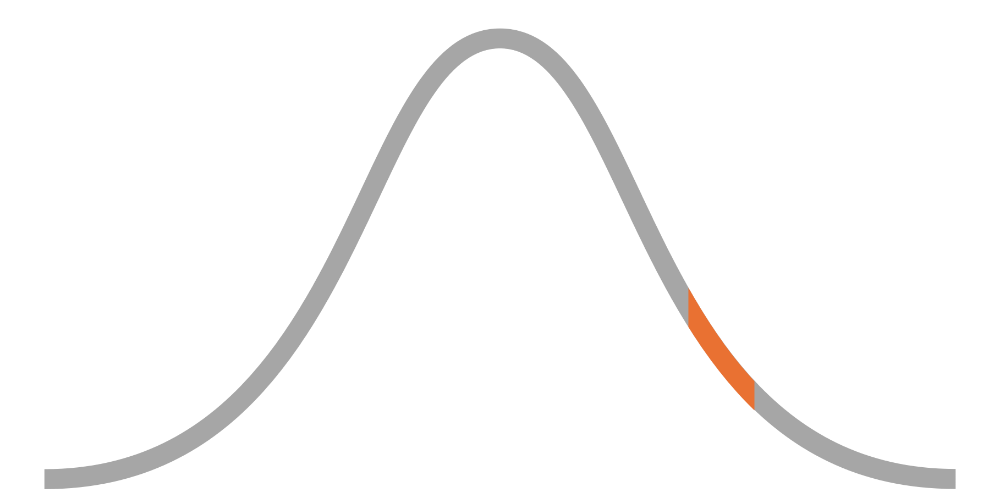
80–90% percentile
A high attribute score is somewhat uncommon and represents 10% of the entire population. In a room with 100 other people, a person with a high attribute score would be higher than 80 of them and lower than 10 of them.
Note: Feels uses a 9-point scoring scale that ranges from Ultra Low to Ultra High according to a normal distribution. See our methodology.

Very High

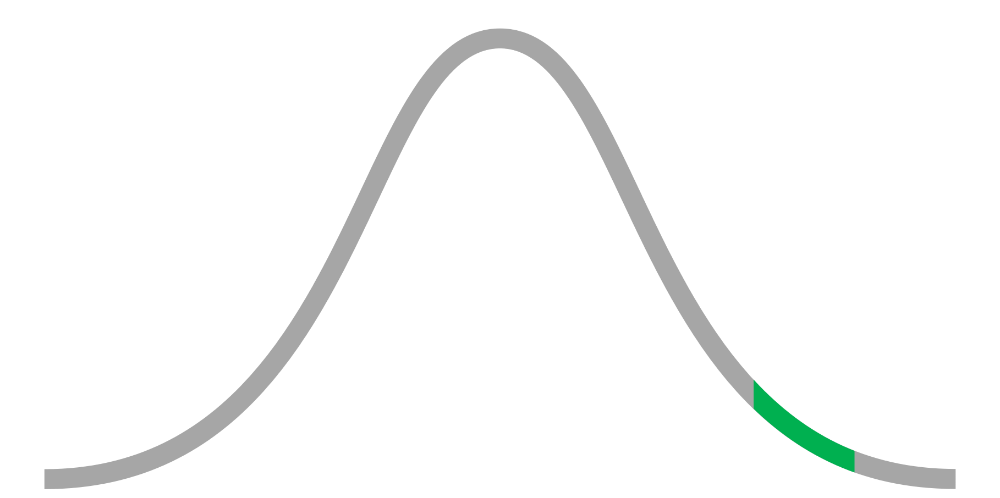
90–95% percentile
A very high attribute score is rare because it represents 5% of the entire population. In a room with 100 other people, a person with a very high attribute score would be higher than 90 of them and lower than five of them.
Note: Feels uses a 9-point scoring scale that ranges from Ultra Low to Ultra High according to a normal distribution. See our methodology.

Ultra High

95–100% percentile
An ultra high attribute score is exceptionally rare because it represents 5% of the entire population. In a room with 100 other people, a person with an ultra high attribute score would be higher than 95 of them and lower than none of them.
Note: Feels uses a 9-point scoring scale that ranges from Ultra Low to Ultra High according to a normal distribution. See our methodology.