
Info
Legal
© 2025 Feels Co.

Hand pointing up icon Summary & key points

It’s time to go beyond legacy methods of detecting plagiarism or AI-generated content. The Linguistic Fingerprint™ by LINGA is a revolutionary language analysis technology that sits at the intersection of linguistics, psychology, and computer science. It’s an entirely new way of identifying a person in the form-factors of speech and writing. Linguistic self-discovery awaits. Learn more ›
† Always consult a qualified psycholinguist before considering whether MyLFP™ is right for you. Free consultation required. Not all may qualify. Authorship Verification Scans sold separately. Scans require MyLFP™ Express 26 or higher. Results may vary. Some side effects may occur. See full terms for details.
†† MyLFP, Linguistic Fingerprint, and LINGA are ™ and © of LINGA Co. – Our business is language itself.
Feels in
Select media © LINGA Co. Learn more

1 Feeling

Loading comment... The comment will be refreshed after 00:00.

Feedback

How does this page make you feel?

Can you tell us why you feel that way?

Skip for now

Thanks for your feedback.

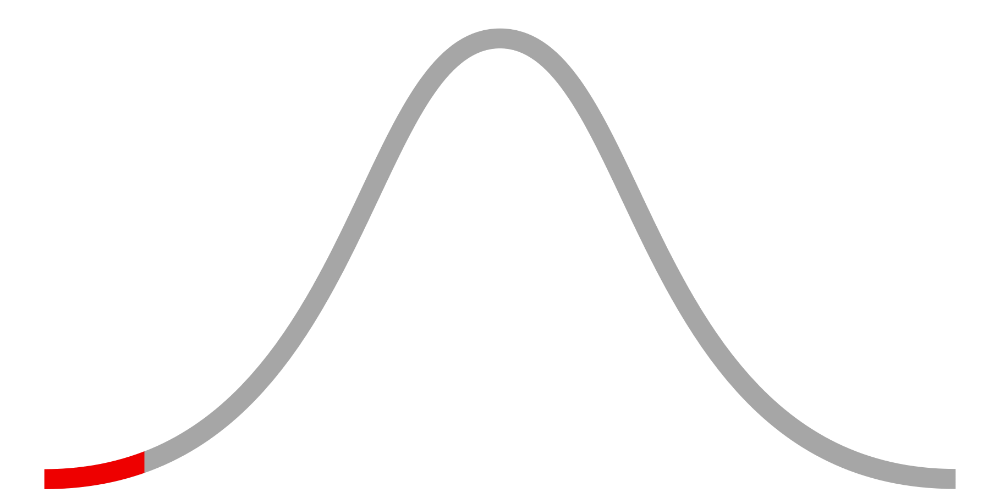
Ultra Low

0–5% percentile
An ultra low attribute score is exceptionally rare because it represents 5% of the entire population. In a room with 100 other people, a person with an ultra low attribute score would be lower than 95 of them and higher than none of them.
Note: Feels uses a 9-point scoring scale that ranges from Ultra Low to Ultra High according to a normal distribution. See our methodology.

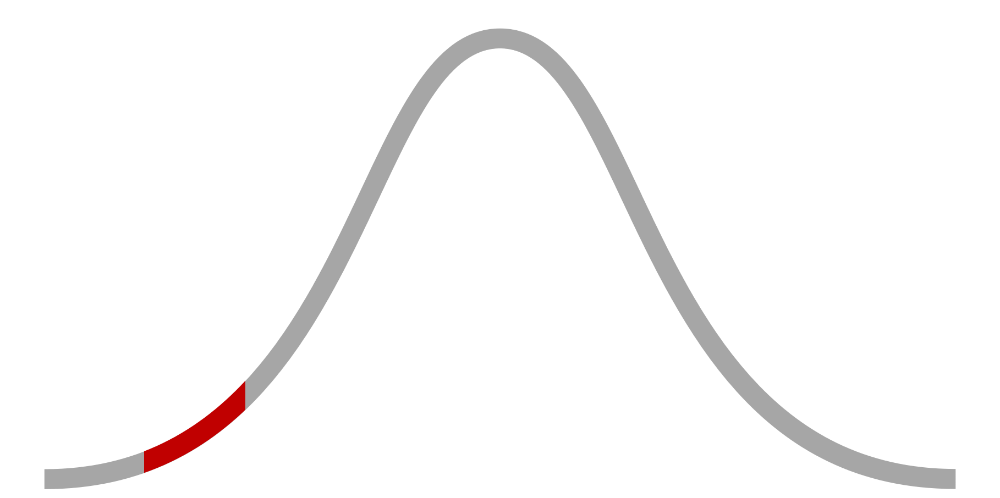
Very Low

5–10% percentile
A very low attribute score is rare because it represents 5% of the entire population. In a room with 100 other people, a person with a very low attribute score would be higher than five of them and lower than 90 of them.
Note: Feels uses a 9-point scoring scale that ranges from Ultra Low to Ultra High according to a normal distribution. See our methodology.

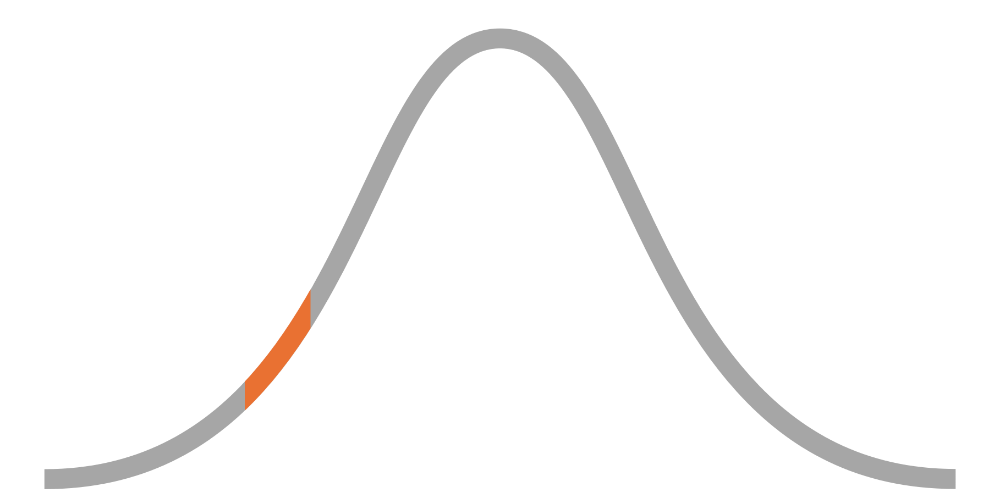
Low

10–20% percentile
A low attribute score is somewhat uncommon and represents 10% of the entire population. In a room with 100 other people, a person with a low attribute score would be higher than ten of them and lower than 80 of them.
Note: Feels uses a 9-point scoring scale that ranges from Ultra Low to Ultra High according to a normal distribution. See our methodology.

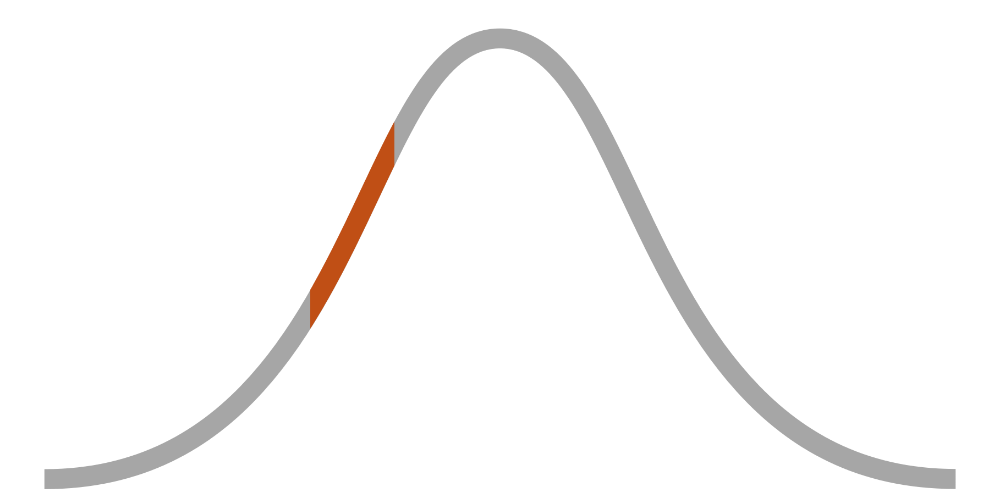
Slightly Low

20–40% percentile
A slightly low attribute score is common and represents 20% of the entire population. In a room with 100 other people, a person with a slightly low attribute score would be higher than 20 of them and lower than 60 of them.
Note: Feels uses a 9-point scoring scale that ranges from Ultra Low to Ultra High according to a normal distribution. See our methodology.

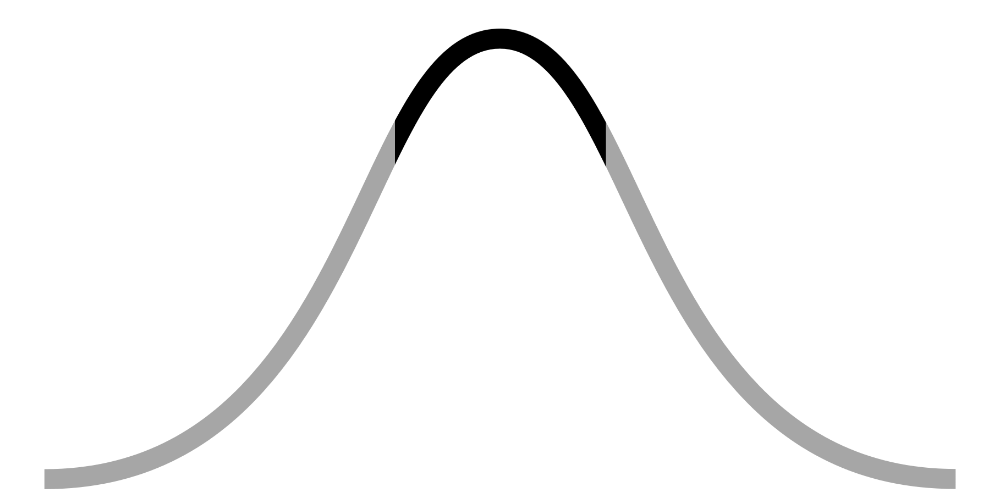
Average

40–60% percentile
An average attribute score is typical and represents 20% of the entire population. In a room with 100 other people, a person with an average attribute score would be higher than 40 of them and lower than 40 of them.
Note: Feels uses a 9-point scoring scale that ranges from Ultra Low to Ultra High according to a normal distribution. See our methodology.

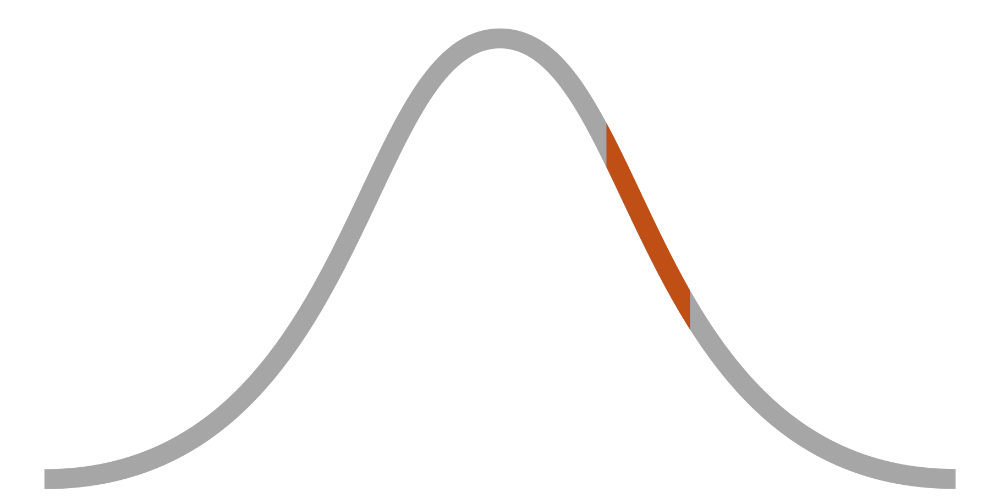
Slightly High

60–80% percentile
A slightly high attribute score is common and represents 20% of the entire population. In a room with 100 other people, a person with a slightly high attribute score would be higher than 60 of them and lower than 20 of them.
Note: Feels uses a 9-point scoring scale that ranges from Ultra Low to Ultra High according to a normal distribution. See our methodology.

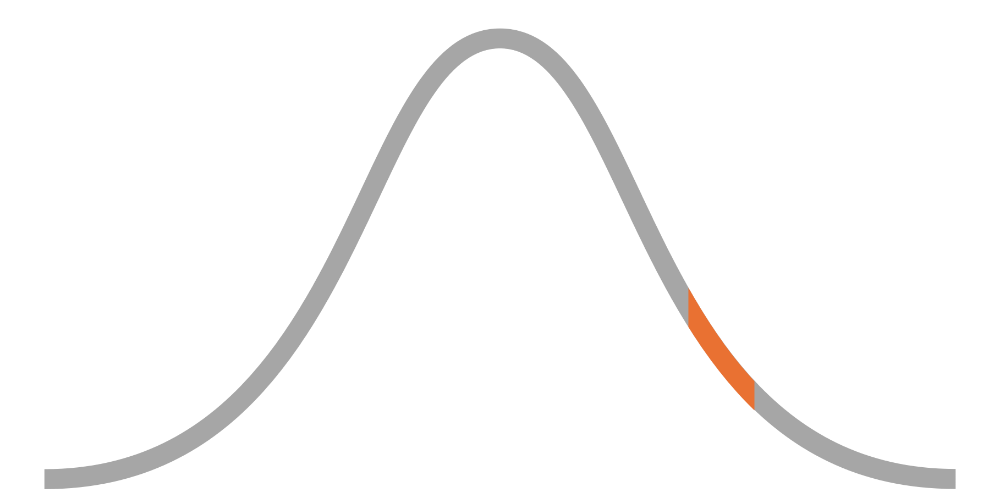
High

80–90% percentile
A high attribute score is somewhat uncommon and represents 10% of the entire population. In a room with 100 other people, a person with a high attribute score would be higher than 80 of them and lower than 10 of them.
Note: Feels uses a 9-point scoring scale that ranges from Ultra Low to Ultra High according to a normal distribution. See our methodology.

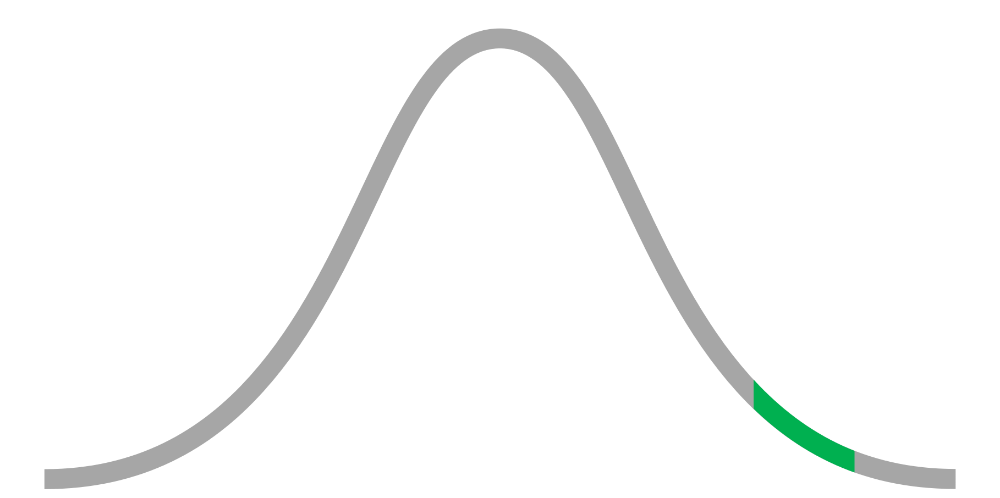
Very High

90–95% percentile
A very high attribute score is rare because it represents 5% of the entire population. In a room with 100 other people, a person with a very high attribute score would be higher than 90 of them and lower than five of them.
Note: Feels uses a 9-point scoring scale that ranges from Ultra Low to Ultra High according to a normal distribution. See our methodology.

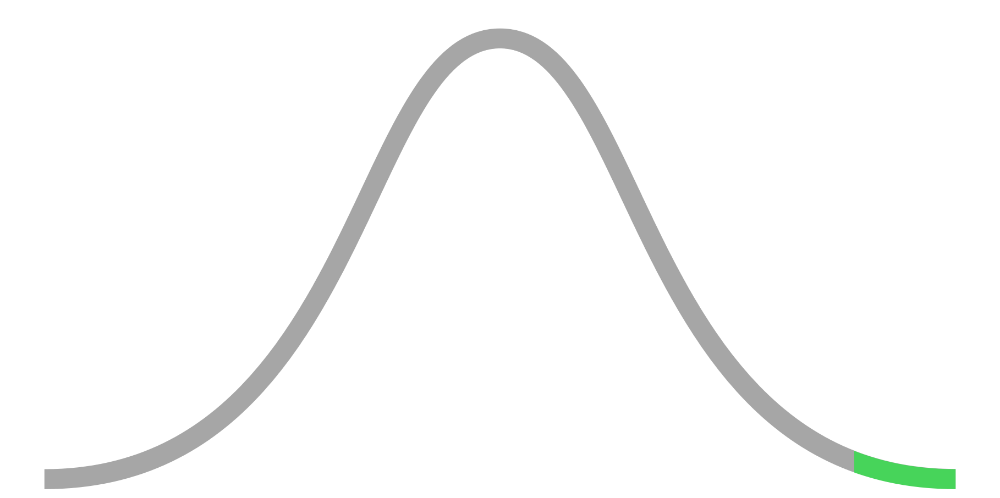
Ultra High

95–100% percentile
An ultra high attribute score is exceptionally rare because it represents 5% of the entire population. In a room with 100 other people, a person with an ultra high attribute score would be higher than 95 of them and lower than none of them.
Note: Feels uses a 9-point scoring scale that ranges from Ultra Low to Ultra High according to a normal distribution. See our methodology.